
Weight Lifting Gloves: Essential Gear for Every Gym Enthusiast
Weight lifting gloves are an essential accessory for anyone involved in strength training or weightlifting, whether at the gym or at home. These gloves provide a range of benefits from improving grip to protecting your hands from blisters and calluses. This article will guide you through the reasons to invest in weight lifting gloves, their types, and how to choose the right pair for your workouts.
Why Are Weight Lifting Gloves Important?
Weight lifting gloves serve as a protective barrier between your hands and the weights. When lifting heavy loads, especially for extended periods, the friction can cause painful calluses, blisters, or even cuts. Wearing gloves reduces the risk of these injuries, allowing you to focus on your workout. Moreover, they offer wrist support, which is crucial for preventing strain during intense lifting sessions. With the right gloves, you can lift longer, harder, and more safely.
Benefits of Weight Lifting Gloves
Using weight lifting gloves comes with several advantages. The most prominent benefit is enhanced grip. As you sweat, the grip on your hands can weaken, leading to slippage. Gloves with specialized grip-enhancing features can help ensure that you maintain a strong hold on dumbbells, barbells, and kettlebells, even when your hands get sweaty.
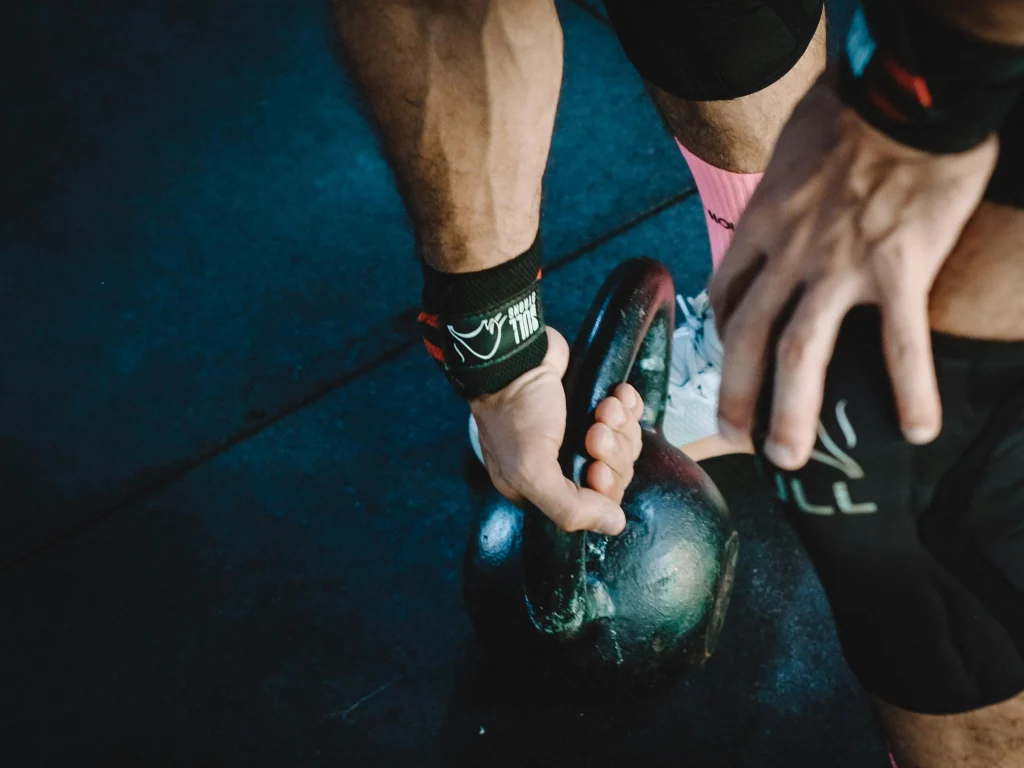
Additionally, weight lifting gloves offer wrist support. Many gloves come with adjustable straps that wrap around your wrist, providing the added stability needed during heavy lifts. This reduces the risk of wrist injuries, which are common in weightlifting. They also help prevent blisters and calluses by acting as a cushion between your hands and the equipment.
Types of Weight Lifting Gloves
There are several types of weight lifting gloves available, each designed to suit different needs and preferences. Full-finger gloves provide maximum protection for your hands and wrists, making them ideal for those lifting heavy weights or working out in harsh environments. On the other hand, fingerless gloves offer more freedom and flexibility, allowing for better tactile feel and hand movement, which is preferred by many bodybuilders and functional fitness enthusiasts.
Some gloves come with added wrist support, such as straps or wraps, which help stabilize the wrist during high-intensity lifts like deadlifts and overhead presses. Others are designed to be lightweight and breathable, focusing on comfort and flexibility for those who prefer a more minimalistic approach.
How to Choose the Right Weight Lifting Gloves
When selecting the best weight lifting gloves for your needs, consider factors like comfort, material, and the type of lifts you perform. Gloves made from leather are often durable and offer excellent grip, but they may be less breathable. Synthetic materials like neoprene or polyester are lighter and more breathable, making them suitable for longer workout sessions.
For those who experience wrist strain or perform heavy lifts regularly, consider gloves with wrist wraps for added support. Additionally, ensure that the gloves fit snugly but aren’t too tight, as discomfort can interfere with your performance. The gloves should also allow full range of motion, enabling you to perform your exercises without restriction.
Weight Lifting Gloves for Women and Men
While the function of weight lifting gloves is generally the same for both men and women, there are specific designs tailored for different hand sizes and preferences. Women’s weight lifting gloves tend to be more contoured to fit smaller hands and often feature softer materials or more vibrant designs. On the other hand, men’s gloves may be more rugged and made from heavier-duty materials to withstand intense lifting.
That being said, many weight lifting gloves are unisex, so it’s important to focus on fit and comfort rather than gender-specific designs. The right pair will depend on the fit of your hands, your workout intensity, and personal style preferences.
Tips for Maintaining Your Weight Lifting Gloves
To extend the lifespan of your weight lifting gloves, proper care is essential. Always let your gloves air dry after each workout, as prolonged moisture exposure can damage the materials and cause odors. If your gloves are made from leather, occasional conditioning with leather balm can keep them soft and durable. Be sure to clean your gloves regularly, either by wiping them with a damp cloth or using a mild detergent and water solution.
Additionally, check for signs of wear, such as fraying or thinning, especially around the palms and fingertips. If your gloves show significant wear, it may be time to replace them to maintain their performance and protective qualities.
The Role of Weight Lifting Gloves in Injury Prevention
While weight lifting gloves are not a substitute for proper technique, they play a critical role in injury prevention. By improving grip, reducing the risk of calluses, and providing wrist support, gloves help mitigate common injuries in weightlifting, such as hand blisters, calluses, and wrist strains.
However, it’s important to remember that gloves are just one part of an overall injury prevention strategy. Proper warm-up routines, using correct form, and gradually increasing weights are just as important in preventing injury during lifting sessions.
Conclusion
Incorporating weight lifting gloves into your fitness routine can significantly improve your lifting experience. They enhance grip, provide comfort, and reduce the risk of injuries, allowing you to push yourself further in your workouts. Whether you are a beginner or a seasoned lifter, finding the right pair of gloves will ensure that you can lift safely and efficiently, protecting your hands and wrists while improving your performance. You can also check this. Bloomsbury Fitness
Frequently Asked Questions (FAQs)
1. Are weight lifting gloves necessary for everyone?
While not absolutely necessary, weight lifting gloves provide significant benefits, especially for individuals lifting heavy weights, performing long workouts, or those prone to calluses and blisters.
2. Can I use weight lifting gloves for other workouts?
Yes, weight lifting gloves can also be useful for other strength-based activities like CrossFit, bodybuilding, or bodyweight exercises that require a strong grip.
3. How do I know what size gloves to buy?
Most weight lifting gloves come with sizing charts based on hand measurements. It’s best to measure the circumference of your palm and refer to the chart to ensure a good fit.
4. Will weight lifting gloves improve my performance?
While gloves do not directly improve performance, they enhance grip and comfort, which can lead to better focus and longer, more effective workouts.
5. How long do weight lifting gloves last?
With proper care, weight lifting gloves can last for several months to a year, depending on the material and frequency of use.
6. Can weight lifting gloves prevent wrist injuries?
Gloves with wrist support can help stabilize the wrist during heavy lifts, reducing the risk of wrist strain and injury.
7. Should I choose full-finger or fingerless gloves?
The choice depends on personal preference. Full-finger gloves offer more protection, while fingerless gloves provide greater flexibility and tactile feel.
8. How do I clean my weight lifting gloves?
You can clean your gloves by wiping them down after each use and occasionally washing them with mild soap and water. Be sure to let them air dry to prevent material damage.