Everything You Need to Know About Lifting Belts: A Comprehensive Guide
Lifting belts are essential tools for weightlifters, powerlifters, and anyone involved in strength training. They help support the spine and core, offering stability when performing heavy lifts. In this article, we’ll explore the benefits, types, and uses of lifting belts, providing you with all the knowledge needed to make an informed decision.
What is a Lifting Belt?
A lifting belt is a supportive piece of equipment designed to enhance performance during heavy lifts. It helps stabilize your core by providing added abdominal pressure, which protects the spine and reduces the risk of injury. Typically made from leather, nylon, or neoprene, lifting belts are worn around the waist, particularly during compound movements like squats, deadlifts, and overhead presses.
Why Should You Use a Lifting Belt?
Using a lifting belt can significantly improve your lifting technique by ensuring proper posture and core engagement. When lifting heavy weights, maintaining stability in your lower back is critical. The belt helps to keep your spine aligned and prevents excessive flexion or extension, reducing the chances of injuries, particularly in the lower back. Additionally, it may allow you to lift heavier weights due to the enhanced intra-abdominal pressure it provides.
Different Types of Lifting Belts
There are several types of lifting belts available, each with unique features and benefits. Understanding the different options will help you choose the right one for your specific needs.
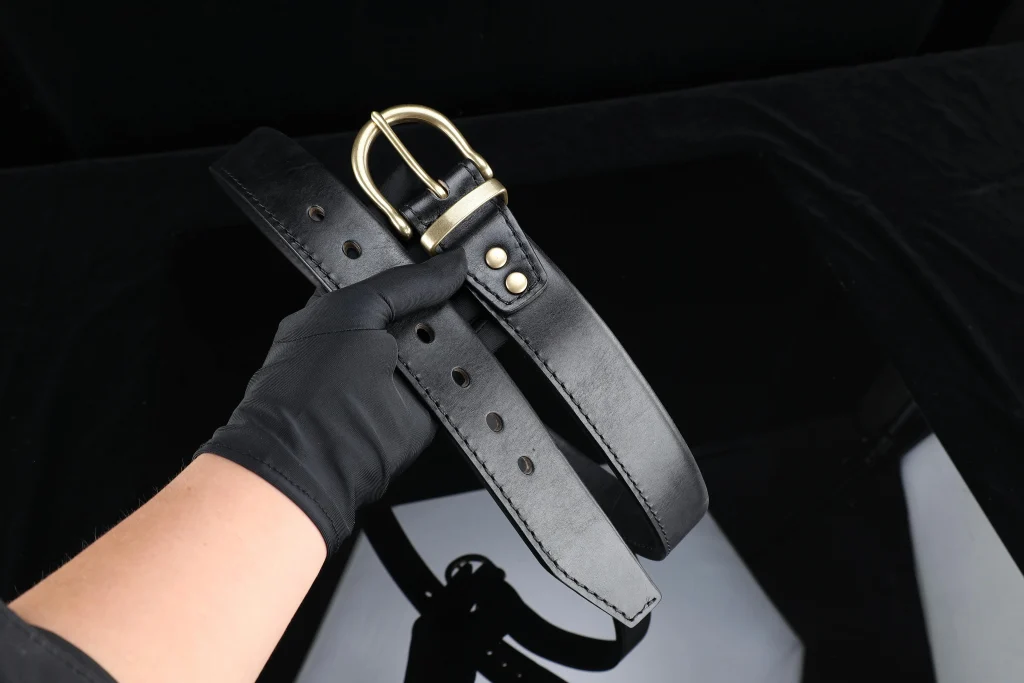
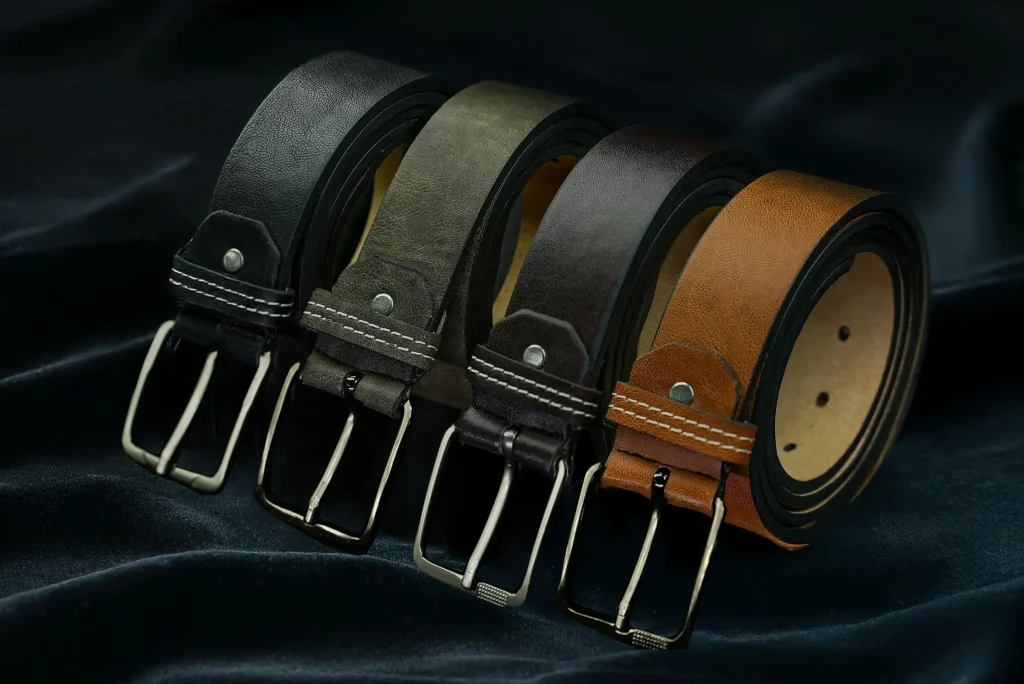
- Leather Lifting Belts: These are the most durable and supportive types of belts, ideal for powerlifting and heavy lifting. Leather belts offer maximum stiffness and provide firm support to the lower back.
- Nylon Lifting Belts: Lightweight and flexible, nylon belts are often preferred by those who require more freedom of movement, such as in bodybuilding or CrossFit. They are typically less rigid than leather belts but still offer good support.
- Neoprene Lifting Belts: These belts are soft, comfortable, and adjustable, making them a popular choice for beginners or those looking for moderate support during their lifts.
- Lever Belts: These feature a mechanical lever buckle, which provides a secure and precise fit. They are often used by powerlifters for their reliability and ease of adjustment.
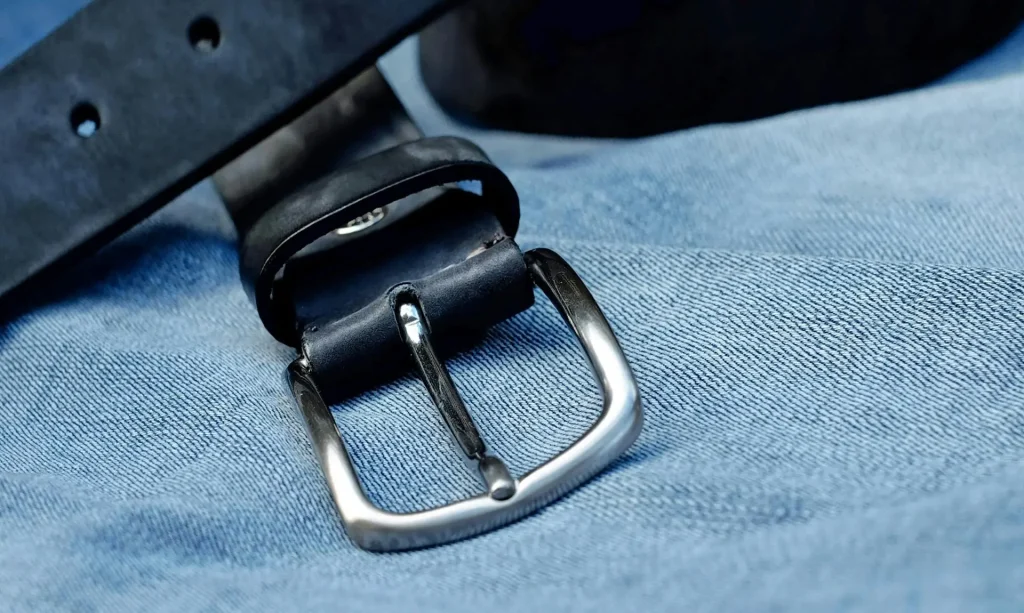
- Prong Belts: These belts have a traditional buckle with prongs, offering a more adjustable fit than lever belts. They are a great choice for those who prefer manual adjustments during their workouts.
When to Use a Lifting Belt?
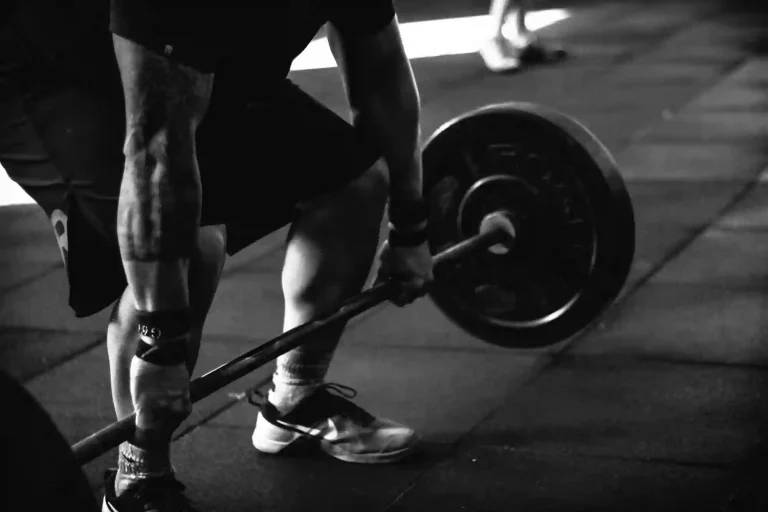
It’s important to know when to wear a lifting belt for optimal benefit. While lifting belts are valuable during heavy lifts, they should not be worn during every exercise. Belts are most beneficial during compound movements, like squats, deadlifts, and overhead presses, where the spine is under substantial load.
For less strenuous exercises, such as bodyweight squats or light lifting, a belt is unnecessary. Overusing a belt may lead to muscle dependency, where the core muscles are not adequately engaged, which can hinder progress in the long run.
How to Properly Wear a Lifting Belt
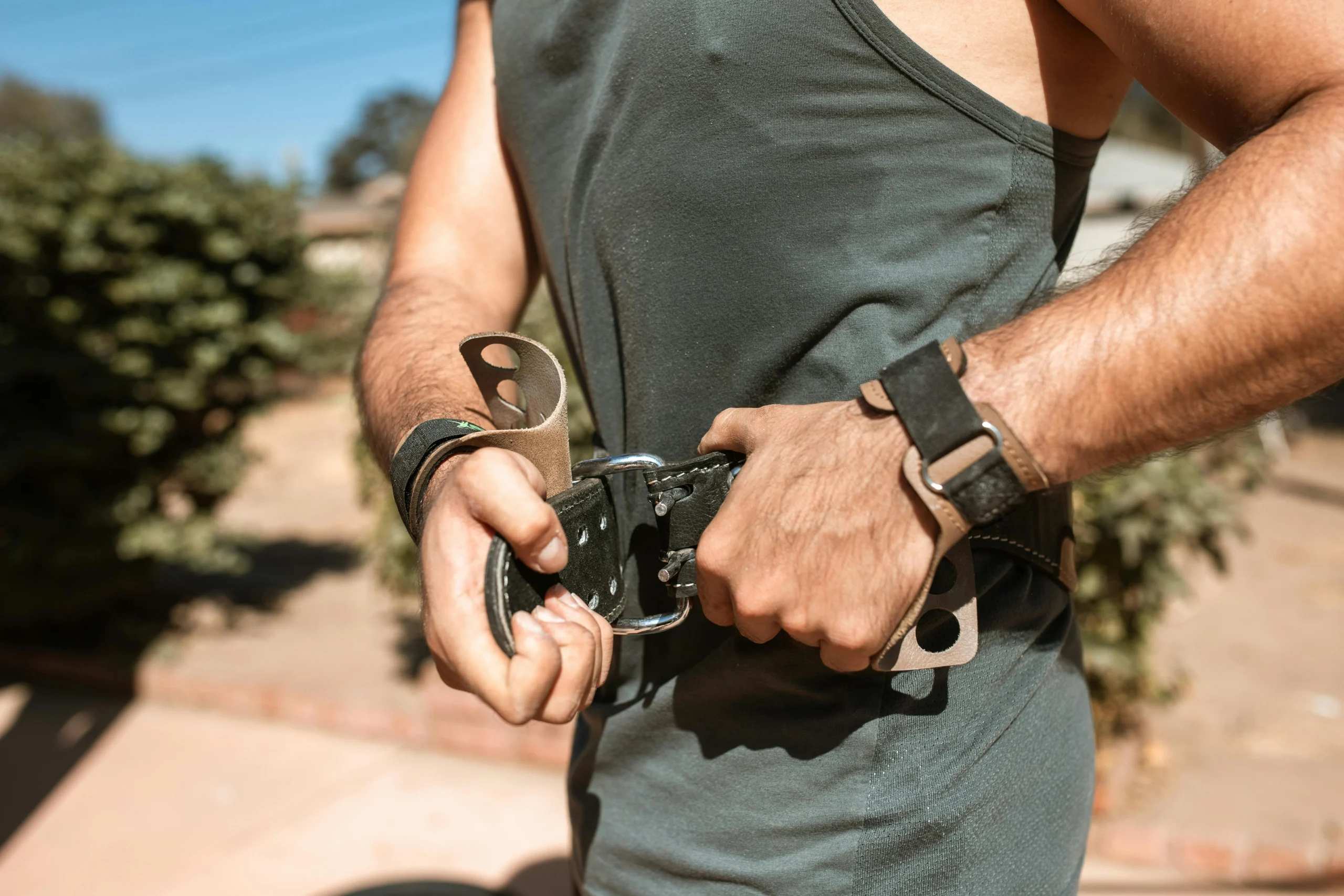
The way you wear your lifting belt is crucial to its effectiveness. The belt should sit comfortably around your waist, positioned just above your hip bones. Make sure the belt is tight enough to create intra-abdominal pressure but not so tight that it restricts your breathing or movement.
When performing lifts, take a deep breath and brace your core before tightening the belt. This technique will create stability and provide additional support for your spine. Remember to adjust the tightness of the belt depending on the lift and your comfort level.
Benefits of Wearing a Lifting Belt
- Increased Support: The primary benefit of a lifting belt is the additional support it provides to the lower back and spine. This support is particularly important when lifting heavy weights.
- Improved Performance: The intra-abdominal pressure generated by the belt allows for better core stability, which can improve lifting performance and allow you to lift heavier weights.
- Reduced Risk of Injury: Lifting belts help maintain spinal alignment and prevent excessive movement in the lower back, reducing the risk of injuries such as strains and sprains.
- Better Posture: Wearing a belt encourages proper posture by keeping your back straight during lifts, which helps in maintaining the right form and avoiding poor technique.
Choosing the Right Lifting Belt
Selecting the right lifting belt depends on several factors, including your lifting style, experience level, and personal preference. Beginners may prefer a softer, more flexible belt like neoprene, while advanced lifters may opt for a stiff leather or lever belt for maximum support.
Consider the thickness and width of the belt as well. A standard lifting belt is typically around 4 inches wide, but thicker belts (6 inches) provide additional support and may be more suitable for taller or larger individuals.
Common Mistakes When Using a Lifting Belt
Even though lifting belts are beneficial, they can lead to some issues if used incorrectly. Here are a few common mistakes to avoid:
- Using the Belt Too Often: Over-reliance on a belt can weaken your core muscles over time. Only use a belt for heavy lifts where additional support is needed.
- Wearing the Belt Too Tight or Loose: If the belt is too tight, it can restrict your movement and breathing. If it’s too loose, it won’t provide the necessary support. Find a balance for a comfortable fit.
- Neglecting Core Bracing: While the belt provides support, it’s still essential to brace your core properly before lifting. The belt alone will not protect you if your form is poor.
Conclusion
Lifting belts are an excellent tool for providing support and stability during heavy lifts. They help protect your spine, increase performance, and reduce the risk of injury. However, it’s important to use them correctly and understand when they are needed. Whether you’re a beginner or an experienced lifter, choosing the right lifting belt is essential for your lifting success. You can also check this. Gym Kitchen
FAQs About Lifting Belts
1. Do lifting belts really help you lift more weight?
Yes, lifting belts can help you lift more weight by providing better core support and stability, which allows for more efficient movement and improved performance.
2. Can I wear a lifting belt for all exercises?
Lifting belts should primarily be used for heavy compound movements, such as squats, deadlifts, and overhead presses. They are not necessary for lighter or isolation exercises.
3. How tight should a lifting belt be worn?
A lifting belt should be worn tight enough to create intra-abdominal pressure, but not so tight that it restricts your breathing or movement. A good rule of thumb is to tighten it just enough to feel support, without discomfort.
4. Are lifting belts suitable for beginners?
Yes, lifting belts can be used by beginners, but they should be worn only during heavier lifts. It’s important to learn proper form and core bracing techniques before relying on a belt.
5. Can I wash my lifting belt?
Most lifting belts, especially leather ones, should not be washed with water. Instead, clean them with a damp cloth and allow them to air dry. Follow the manufacturer’s instructions for care.
6. What is the best material for a lifting belt?
The best material depends on your preference. Leather offers maximum support, while nylon and neoprene are softer and more flexible. Choose based on the type of lifting you do and the level of support you require.
7. How long will a lifting belt last?
A well-maintained leather lifting belt can last for several years, while neoprene and nylon belts may need replacement after a few years of use, depending on the frequency of use and care.
8. Should I use a lifting belt for deadlifts?
Yes, using a lifting belt during deadlifts is highly recommended, as it helps stabilize the spine and provides the necessary core support to lift heavier weights safely.