
Gym Vest: A Guide to the Perfect Workout Companion
Gym vest, often called tank tops or stringers, are essential pieces of athletic wear for anyone who hits the gym regularly. They offer a combination of comfort, flexibility, and breathability that make them ideal for high-intensity workouts, running, or simply lounging at home. Available in various materials, styles, and designs, gym vests not only serve functional purposes but also contribute to a stylish, confident workout look. In this article, we’ll dive into everything you need to know about gym vests, from the types available to how to choose the right one for your fitness routine.
What is a Gym Vest?
A gym vest is a sleeveless top designed for comfort and freedom of movement during exercise. Unlike regular t-shirts, gym vests are made from moisture-wicking materials, which help to keep the body dry by drawing sweat away from the skin. This makes them perfect for high-performance activities like weightlifting, running, cycling, and more. Whether you prefer a classic tank top or a sleek stringer design, gym vests are a staple in any athlete’s wardrobe.
Different Types of Gym Vests
When choosing a gym vest, it’s essential to understand the different types available and their specific benefits. Here are some common types:
Stringer Vests
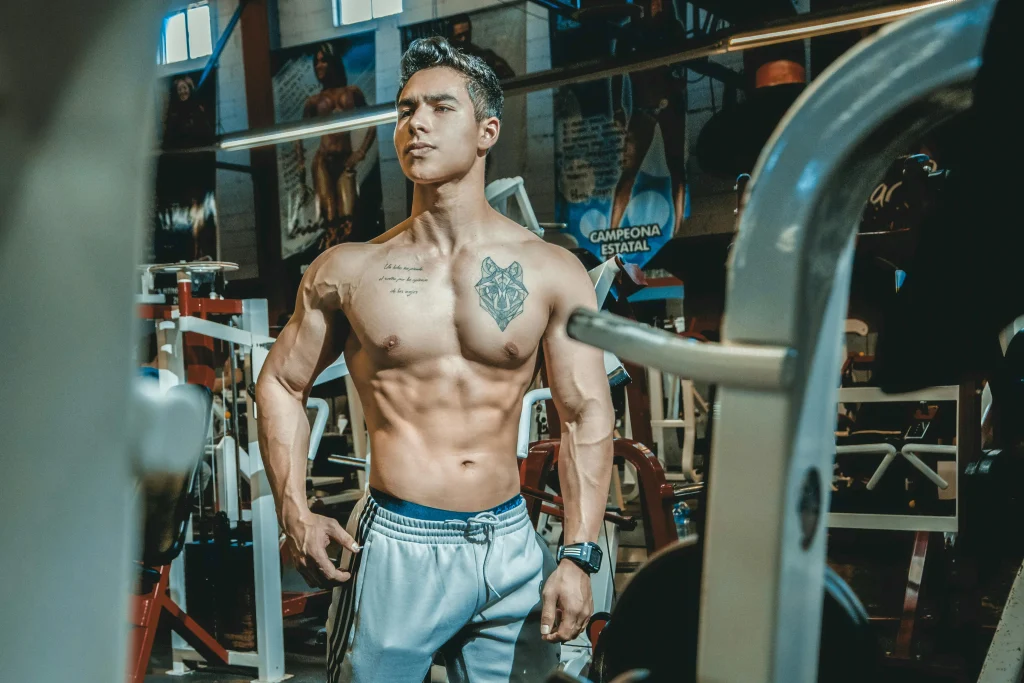
Stringer vests are characterized by their thin straps that leave the shoulders and upper back exposed. They’re popular for weightlifting and bodybuilding workouts because they showcase muscle definition. The minimal coverage allows for maximum mobility, making it easier to perform exercises without any restrictions.
Racerback Vests
Racerback vests have straps that meet in the middle of the back, forming a “T” shape. This design offers better shoulder support while allowing for unrestricted movement. Racerback gym vests are a great option for people who prefer a snug fit without feeling constrained.
Loose-Fitting Vests
If you prefer a more relaxed look, loose-fitting gym vests offer a comfortable, non-restrictive fit. These vests are great for cardio workouts like running or cycling, as they allow for more airflow and a greater range of motion.
Compression Vests
Compression gym vests are made from tight, elastic fabrics designed to support muscles during intense physical activity. These vests improve circulation and can help reduce muscle fatigue and soreness, making them perfect for recovery after a tough workout.
Materials Used in Gym Vests
The material of your gym vest is crucial in determining its performance. Most gym vests are made from a combination of synthetic fabrics designed to wick moisture away from the body, allowing you to stay cool and dry. Some common materials include:
- Polyester: A lightweight, breathable fabric that is resistant to shrinking and stretching. Polyester is commonly used in gym vests because it’s durable and moisture-wicking.
- Nylon: Known for its smooth texture and resistance to wear and tear, nylon offers a comfortable fit and durability.
- Cotton: Cotton gym vests are soft and breathable but can retain moisture, which might not be ideal for intense workouts. They are, however, perfect for light exercise or casual wear.
- Spandex: Spandex blends provide elasticity, allowing the vest to stretch and conform to your body. These are commonly used in compression vests and tight-fitting designs.

Choosing the Right Gym Vest
With so many options on the market, selecting the right gym vest can be a challenge. Here are a few factors to consider:
Fit and Comfort
The fit of your gym vest is one of the most important factors to consider. Choose a vest that allows for full movement without feeling too tight or too loose. Pay attention to the material and choose one that suits your activity level. If you’re lifting weights, a stringer vest may be ideal, but for cardio, a racerback or loose vest might be more comfortable.
Style and Design
Gym vests come in a wide range of styles, from minimalist designs to more elaborate ones featuring graphics or logos. While functionality is essential, you’ll likely want a vest that reflects your personal style. Opt for colors or patterns that resonate with you and give you a confidence boost during your workout.
Durability
Gym vests should be durable enough to withstand regular washing and the wear and tear of intense workouts. Look for vests made from high-quality fabrics like polyester or nylon, which resist fading and stretching over time.
Gym Vests for Different Workouts
Different workouts require different levels of support and comfort, and your choice of gym vest should complement the activity you’re engaging in. Here’s how to match the right vest with your workout:
Weightlifting and Strength Training
For strength training and weightlifting, stringer vests are ideal. They allow you to showcase your physique while ensuring maximum mobility and airflow. The lightweight fabric also helps prevent overheating, so you can focus on your lifts without feeling weighed down.
Running and Cardio
For running, cardio, or any activity involving movement over extended periods, a racerback or loose-fitting gym vest is a good option. These provide breathability and comfort while ensuring that sweat is wicked away efficiently. Choose a design that offers a snug fit without restricting your movements.
Yoga and Flexibility Training
Yoga and flexibility-focused workouts require a gym vest that is both comfortable and breathable. Opt for a vest that is soft and stretchy, such as a cotton blend or a spandex mix. This allows for a full range of motion while ensuring you stay cool and dry.
How to Care for Your Gym Vests
To extend the lifespan of your gym vests, proper care is essential. Follow these tips:
- Wash your gym vest after every workout to remove sweat and odors.
- Use a gentle cycle to prevent fabric damage.
- Air dry your vests instead of using the dryer to prevent shrinkage.
- Avoid using fabric softeners, as they can reduce the moisture-wicking properties of synthetic fabrics.
Conclusion
Gym vests are a versatile and essential part of any active wardrobe. Whether you’re weightlifting, running, or just looking for comfort during your workout, a good-quality gym vest can enhance your performance and style. With the right fit, material, and design, you can ensure that you’re ready to take on any workout challenge while staying cool, comfortable, and confident.
Frequently Asked Questions (FAQs)
1. What is the best material for a gym vest?
The best material for a gym vest depends on your workout. Polyester and nylon are great for moisture-wicking and durability, while cotton is soft but less effective for high-intensity workouts.
2. How should a gym vest fit?
A gym vest should fit snugly around the chest without being too tight. Ensure it allows for full mobility and comfort, especially in the shoulders and arms.
3. Can I wear a gym vest for running?
Yes, gym vests, especially racerback or loose-fitting designs, are perfect for running and cardio workouts due to their breathability and comfort.
4. Are gym vests good for weightlifting?
Yes, stringer gym vests are often the best choice for weightlifting. They provide freedom of movement while allowing you to show off your physique.
5. How often should I wash my gym vest?
It’s recommended to wash your gym vest after every workout to keep it fresh and free of sweat. Be sure to follow the care instructions to maintain its quality.
6. Can I wear a gym vest for yoga?
Yes, a soft, stretchy gym vest is great for yoga, as it allows for the full range of movement and keeps you comfortable during your practice.
7. How do I prevent my gym vest from shrinking?
To prevent shrinking, air dry your gym vest rather than using a dryer. Also, follow the care instructions, as some fabrics are more prone to shrinkage than others.